Muse - The Wow! Signal
Muse has never been the typical mainstream rock band. They are one of only a few rock acts filling arenas and stadiums today that play guitar-driven music, yet they have more in common with John Williams and Ennio Morricone than they do with, say, Metallica. They have never been afraid to push the envelope with their songs, dating all the way back to their 1999 debut Showbiz. The band’s tenth album, The Wow! Signal, continues their tradition of trying to see how far they can push things outside of their comfort zone. Written in the aftermath of Matt Bellamy’s divorce, The Wow! Signal is reflective, cathartic, and a continuation of the work the UK three-piece has been doing for decades. Most of the songs clock in around four to five minutes, and they sometimes meander far longer than they need to. But when The Wow! Signal is firing on all cylinders, it’s great.
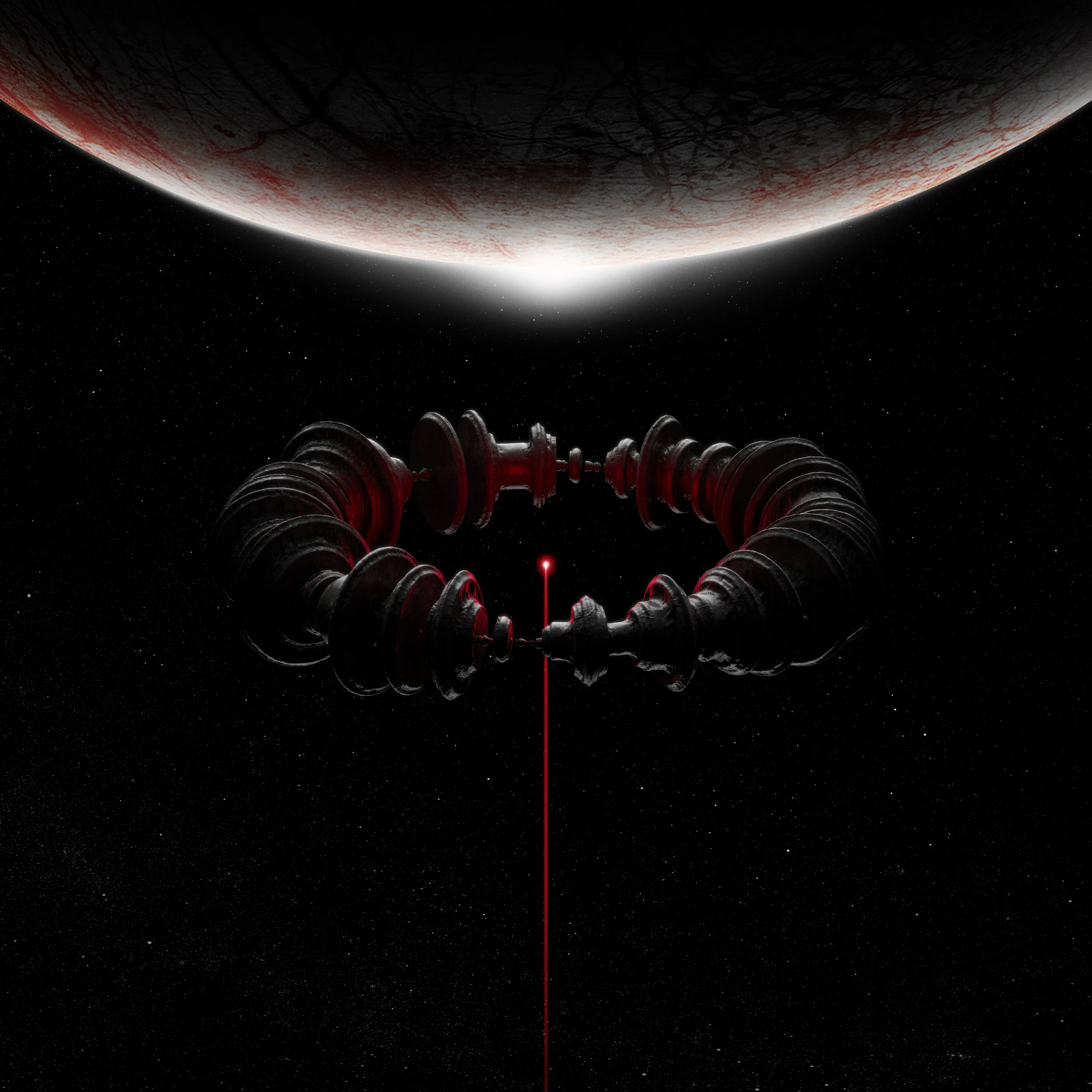
The Wow! Signal uses outer space and its many celestial features as metaphors for the ending of a relationship. The album’s title itself is pulled from the name of the 1977 narrowband radio signal that suggests the possible existence of extraterrestrial life. Opener “The Dark Forest” unfolds amidst a live choir and orchestra playing what sounds like the score from David Lean’s Lawrence of Arabia. Bombastic synths, heavy guitars, and Bellamy’s signature falsetto blend as he sings of humanity’s fear of connection in the event that it leads to its ultimate destruction. “Nightshift Superstar” incorporates elements of dance-rock and funk, as past Muse hits like “Supermassive Black Hole” and “Panic Station” have before it. (Bassist Chris Wolstenholme’s grimy, distortion-driven funk bass line is on full display here.)
“Shimmering Scars” begins as a piano ballad before exploding into a purgative chorus, singing about loss and the end of the relationship (“All I ever dreamed of/Has fled to the stars and hides in the dark/Everyone I reached for/They tear me apart, encoding my heart/With shimmering scars”). “Cryogen” finds Bellamy numb from the tundra of the cosmos, while ironically providing one of the album’s high points and best guitar work. “Be With You” finds him being sucked up by that very same supermassive black hole the band once referenced, church organs filling the soundscape before evolving into a subdued cosmic-synth selection that finds Bellamy simultaneously having given up and not yet ready to surrender.
Both “Hexagons” and “The Sickness In You & I” demonstrate the lengths that Muse is willing to push their progressive rock tendencies, the former opening with Van Halen-esque guitar work and ethereal 80s synth lines. The latter finds Muse at their heaviest, stripping back the intricate guitar work for a nu-metal-esque chug. The beauty of a band like Muse is that they can take a simple riff like this and make it feel larger than life, both in their sound design and Bellamy’s ability to make a basic string bend on a guitar feel like he’s manipulating amplifer tubes into submission.
The back half of the album finds the band switching between subtle synth verses, nu-metal bridges, and a Queen-esque chorus on tracks like “Unraveling”. “Hush” finds the band collaborating with Ellie Goulding, yet to call this a pop song would be an oversimplification; Goulding’s verse fits in perfectly here, with the band leading into anthemic territory as they trade off verses. The closer “Space Debris” finds the band drifting aimlessly through the cosmos, Bellamy likening the dissolution of love to space junk gliding through the ether.
As a band, Muse has never been one for subtlety. Their ideas are as grandiose as their execution. Despite moments where the songs wander a little too aimlessly for my taste, The Wow! Signal finds Muse doing what they do best, ten albums deep: pushing their music as far towards the outer limits as they can go.